



If you’re living with missing teeth, you’ve probably already heard two words more than any others: implants and dentures. Both can restore your smile and help you eat and speak with confidence again — but they work very differently, and the right choice depends on your oral health, lifestyle, and long-term goals. For patients across San Antonio weighing dental implants vs. dentures, this guide breaks down what each option actually involves so you can walk into your consultation feeling informed rather than overwhelmed.
At Sonterra Dental, we believe every patient deserves a clear, honest picture of their options. There’s no single answer that fits everyone, but there are some important distinctions that tend to make one solution a noticeably better fit for most people. Let’s walk through them.
How Each Option Works
Dental Implants
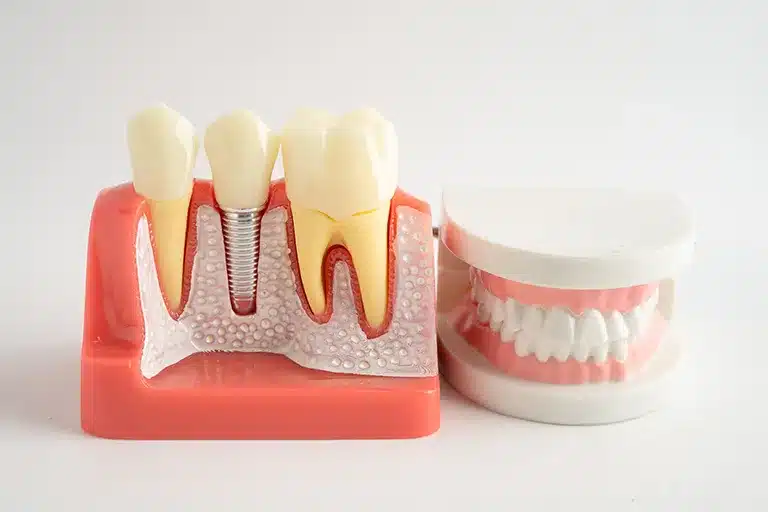
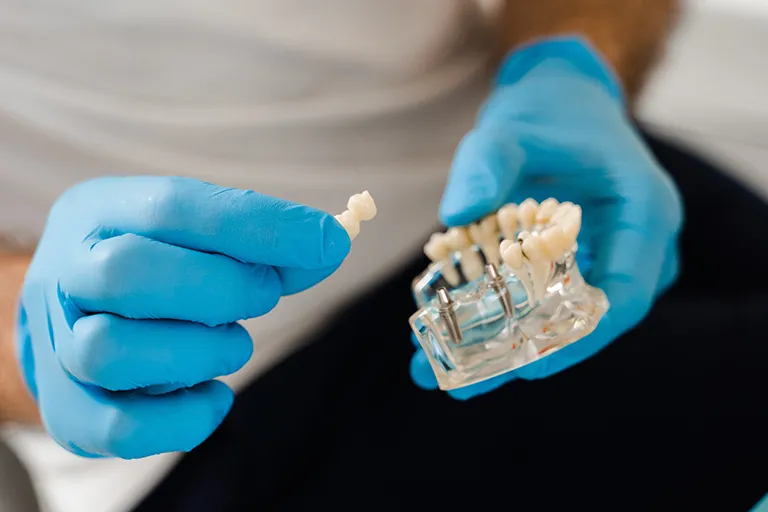
A dental implant is a small titanium post that is surgically placed into the jawbone, where it fuses with the surrounding bone through a process called osseointegration. Once that integration is complete, a custom crown is secured on top, creating a restoration that looks, feels, and functions like a natural tooth. For patients missing an entire arch, solutions like All-on-4 use just four strategically placed implants to support a full set of teeth. You can explore the full process on our dental implants service page to understand what each stage involves.
Dentures
Traditional dentures are removable prosthetics — either full or partial — that rest on the gum line and are held in place by suction, adhesive, or clasps on neighboring teeth. They’ve been a reliable tooth-replacement option for generations, and modern dentures are far more natural-looking than the ones you might picture. That said, they don’t integrate with the jaw the way implants do, which has meaningful consequences over time.
Comparing the Two: Key Factors to Consider
Bone Health and Jawbone Preservation
One of the most significant differences between implants and dentures is what happens beneath the gum line. When a tooth root is lost, the jawbone in that area no longer receives the stimulation it needs and begins to resorb — essentially shrinking over time. Dental implants replicate the function of a natural root, helping to preserve bone volume. Dentures, by contrast, sit on top of the gums and do nothing to slow this process. Over the years, bone loss can change the shape of your face and cause dentures to fit less securely, requiring refitting or replacement.
Stability and Comfort
Implants are fixed in place and don’t move. You brush them like natural teeth, eat with them freely, and never have to worry about them slipping at an inconvenient moment. Dentures, particularly full dentures, can shift during eating or speaking, which many patients find frustrating. Adhesives help, but they’re not a permanent fix. If stability is a priority for you, implants tend to offer a meaningfully better day-to-day experience.
Longevity and Long-Term Value
Dental implants are designed to last for decades with proper care. The crown on top may eventually need replacement, but the implant post itself can last a lifetime in many cases. Dentures typically need to be relined, rebased, or replaced every five to ten years as the mouth changes shape. When you factor in the ongoing maintenance costs, the long-term value of implants often becomes more compelling — even if the upfront investment is higher. Our financing and insurance page outlines the payment options available at Sonterra Dental to help make implants more accessible.
Candidacy and Health Considerations
Not everyone is immediately ready for implants. Sufficient bone density is essential for the implant post to anchor properly, and patients with certain health conditions may require additional evaluation. Some patients need preparatory procedures — such as bone grafting — before implant placement is possible. Dentures, being non-surgical, are available to a broader range of patients right away. That said, many people who assume they can’t get implants are surprised to learn they’re good candidates after a thorough evaluation. Signs You’re a Good Candidate for Dental Implants is a companion post in this series that dives deeper into what dentists look for before recommending implants.
Maintenance and Oral Hygiene
Implants are cared for just like natural teeth — regular brushing, flossing, and routine dental cleanings and checkups at Sonterra Dental are all that’s needed. Dentures require removal for nightly soaking, specialized cleaning products, and careful handling to avoid damage. Some patients find this routine manageable; others find it inconvenient or easy to neglect.
When Dentures Might Be the Right Choice
Dentures aren’t the inferior option by default — they’re the right option for the right patient. If you have significant bone loss that makes implants impractical without extensive grafting, if surgery isn’t advisable due to health factors, or if upfront cost is a firm barrier, dentures can restore function and appearance meaningfully. Implant-supported dentures also offer a middle-ground solution, using a small number of implants to anchor a removable denture more securely than traditional designs allow.
When Implants Are Worth the Investment
If you’re in good general health, have adequate bone density, and are looking for the most natural-feeling, lowest-maintenance, longest-lasting solution available, implants are difficult to beat. The technology available at practices like Sonterra Dental — including advanced 3D imaging for precise implant planning — has made the process more predictable and comfortable than ever. Our post How Do Dental Implants Work? A Step-by-Step Breakdown walks through the procedure in detail, and What to Expect During Dental Implant Recovery in San Antonio covers what the healing period actually looks like for local patients.
It’s also worth knowing that our restorative dentistry services at Sonterra Dental go beyond implants alone — including dental bridges, crowns, and full-mouth rehabilitations — so your care plan can be tailored to your specific situation rather than a one-size-fits-all approach.
Frequently Asked Questions
Are dental implants painful?
Most patients report that the implant procedure is more comfortable than they expected. Local anesthesia is used during placement, and sedation dentistry options are available at Sonterra Dental for patients who want additional comfort. Some soreness during the healing period is normal and typically manageable with over-the-counter pain relief.
How long does the dental implant process take?
The full timeline varies depending on whether preparatory procedures are needed and how quickly osseointegration occurs. For many patients, the process from initial placement to final crown takes several months. Your dentist will give you a personalized timeline during your consultation.
Can I switch from dentures to dental implants?
In many cases, yes. Patients who have worn dentures for years can transition to implants, though bone loss from prolonged denture use may require a bone grafting procedure first. A thorough evaluation at Sonterra Dental will determine what preparatory steps, if any, are needed.
Do dental implants look natural?
Yes. The custom crown placed on top of the implant is designed to match the color, shape, and size of your surrounding teeth. Most people — including the patient themselves — cannot tell the difference between an implant and a natural tooth.
Does dental insurance cover implants or dentures?
Coverage varies widely by plan. Some insurance plans cover a portion of implant costs; others cover dentures more readily. The team at Sonterra Dental can help you understand your benefits and explore financing options to make your preferred treatment achievable.
Ready to find out which option is right for your smile? The team at Sonterra Dental in San Antonio is here to help you weigh your choices with no pressure and plenty of expertise. Call us at 210-341-3222 or visit us at 255 E. Sonterra Blvd., Suite 150, San Antonio, TX 78258 to schedule your consultation. You can also book online anytime at sonterradentalcare.com.